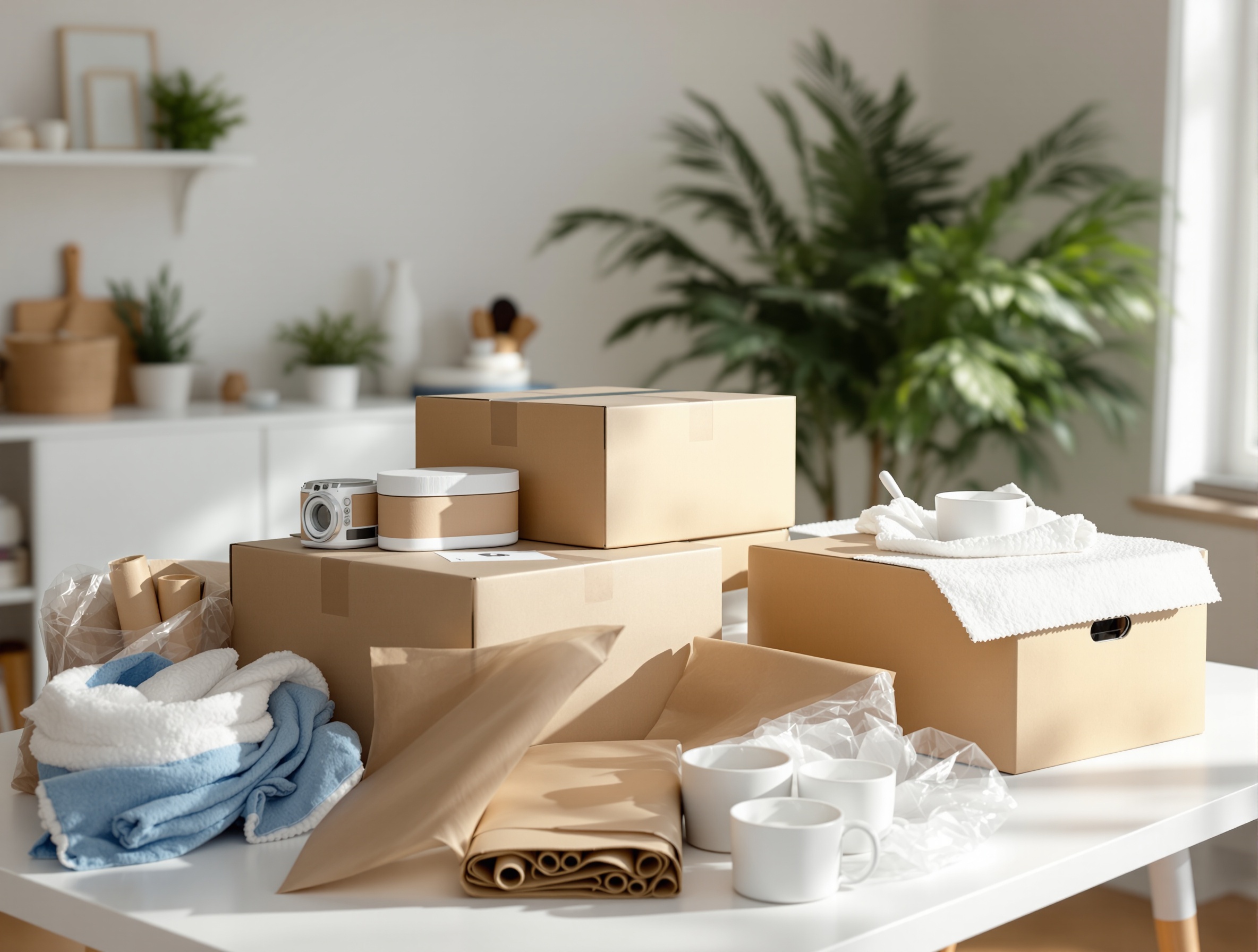
Most people underestimate how much work goes into packing for a move.
You start with good intentions — a few boxes here, a few boxes there — and before you know it, moving day is two days away and half your house is still sitting on shelves.
The good news is that packing doesn't have to be chaotic. With the right approach, you can pack faster, protect your belongings better, and arrive at your new home without a single mystery box.
Here are ten packing tips that actually make a difference.
1. Start Earlier Than You Think You Need To
The number one packing mistake people make is waiting too long to start.
Most people think they can pack a whole house in a weekend. They can't.
A good rule of thumb: start packing at least four to six weeks before your move date. Begin with rooms and items you use the least — guest rooms, storage closets, seasonal decorations, books — and work your way toward the things you use every day.
Starting early also gives you time to make decisions about what to keep and what to get rid of, rather than just throwing everything in a box because you're out of time.
Related Guide
The Ultimate Moving Checklist: 8 Weeks Before Move Day — a week-by-week timeline to keep everything on track2. Declutter Before You Pack a Single Box
There is no point in carefully packing and moving something you don't want or need.
Before you start packing, go through each room and make three piles: keep, donate, and discard. Be honest with yourself. If you haven't used something in the past year, you probably don't need it in your new home.
Decluttering before a move has two major benefits:
- You move fewer boxes, which saves time and money
- You start fresh in your new home without clutter you've been meaning to deal with for years
Related Guide
Decluttering Before You Move: A Room-by-Room Guide — how to systematically clear out every room before packing3. Use a Room-by-Room System
Packing randomly — grabbing items from different rooms and throwing them in the same box — creates a nightmare when it's time to unpack.
Pack one room at a time, from start to finish, before moving on to the next. This keeps things organized and makes unpacking much faster because everything in a box belongs in the same place.
4. Label Every Box — On the Sides, Not the Top
Most people label the top of their boxes. The problem is that when boxes are stacked, you can't see the top.
Label at least two sides of every box with the room it belongs to and a brief description of the contents. This way, no matter how boxes are stacked or arranged, you can always see what's inside.
Also mark any boxes that contain fragile items clearly on all sides.
5. Pack Heavy Items in Small Boxes
This is one of the most common packing mistakes people make.
Books, tools, canned goods, and other heavy items should always go in small boxes. A large box full of books is nearly impossible to lift safely and is likely to break.
Save large boxes for lightweight items like pillows, blankets, and lampshades.
6. Use Soft Items as Padding
You don't need to buy rolls of bubble wrap to protect fragile items.
Towels, blankets, t-shirts, and socks all make excellent padding. Wrap dishes in t-shirts. Stuff glasses with socks. Use blankets to cushion larger fragile items.
This approach serves two purposes: it protects your fragile items and it fills your boxes with things you're already moving anyway.
7. Don't Leave Empty Space in Boxes
Empty space in a box allows items to shift and break during transport.
Fill any gaps with crumpled packing paper, towels, or clothing. Every box should feel solid when you shake it — nothing should be sliding around inside.
8. Pack an Essentials Box and Keep It With You
On moving day, you will not want to dig through dozens of boxes to find your phone charger, toothbrush, or a clean change of clothes.
Pack a separate essentials box — or a bag — with everything you'll need for the first 24 to 48 hours in your new home:
- Phone chargers and electronics
- Toiletries and medications
- A change of clothes
- Important documents
- Snacks and a water bottle
- Paper towels and basic cleaning supplies
Keep this box with you in your car, not in the moving truck.
9. Photograph Your Electronics Before Disconnecting Them
Before you unplug your TV, gaming system, or home office setup, take a photo of how all the cables are connected.
When you're setting everything back up in your new home, you'll be glad you did. It saves a lot of time and frustration trying to remember which cable goes where.
10. Consider Renting Moving Totes Instead of Buying Boxes
Cardboard boxes have a lot of drawbacks. They need to be assembled with tape. They can collapse if they get wet. They don't stack as securely as rigid containers. And when the move is over, you're left with a pile of cardboard to deal with.
Reusable plastic moving totes solve all of these problems. They're sturdier, stack more securely in a truck, and require no tape or assembly. When your move is done, they're simply picked up — no cardboard pile, no recycling runs.
Related Guide
How Much Do People Actually Spend on Moving Boxes? — see the real cost breakdown and why totes often winThe Bottom Line
Packing well comes down to starting early, staying organized, and making smart decisions about what you're moving and how you're moving it.
Follow these ten tips and you'll arrive at your new home with everything intact, clearly labeled, and ready to unpack — without the chaos that most people experience on moving day.